Below I have offered answers to common questions about yoga classes.
I also share more thoughts in my Blog.
What is yoga?
Yoga is a practice that originated thousands of years ago in parts of India. It combines physical postures (known as ‘asana’) with breathing techniques and meditation. The Sanskrit word ‘yoga’ means ‘union’, the union of mind, body and breath. There are many different styles of yoga but the purpose is the same: to still the mind so that we may see our true selves and eventually find enlightenment. Yoga has many benefits associated with it, such as improving strength, flexibility, stamina and general posture, breathing more effectively, and relaxing the mind.
Is yoga religious?
No. The practice and lifestyle of yoga originated in India, it has its roots in ancient Hindu culture, and this is reflected in wider yoga practices and beliefs. Yoga originally developed as a spiritual practice, and it is important to respect this, but someone does not have to be spiritual to enjoy the benefits of yoga.
Is yoga for me? Do I need to be flexible?
Yoga is for everyone! No particular level of flexibility is required to practise yoga. All you need is your body and comfortable/loose clothing to practice in. Classes are designed to be accessible for everyone, with different options for many of the postures.
If you have any health conditions, you may wish to make the teacher aware. However, you are the best judge of what is suitable for your body. If you have any doubt as to whether yoga is suitable for you, please consult your doctor first. Yoga should not be painful, e.g. stretching to the point of being unbearable or pain in joints. It should be possible to sustain a posture without over-exertion or inability to breathe. That being said, some postures may result in a deep stretch, sensation, and sometimes discomfort, which is often relieved by relaxing and consciously releasing tension.
Do I need to bring my own equipment?
Leisure centres usually offer mats, but are limited, while studios will provide mats but may charge for hiring one. You can bring your own mat and anything else you may need. Equipment such as blocks and belts (to assist with postures) are not essential, but are often helpful and supportive. A teacher or centre will often provide these, but some people prefer to bring their own and they are inexpensive. A small towel or blanket may also be helpful as padding for sensitive knees or supporting the head.
Do I have to let a teacher touch me?
No, it is perfectly ok to decline to let a teacher touch you if you are not comfortable with this, but let them know. Some teachers will approach you and ask for your permission first. The intention is not to force the body, but rather to guide and assist.
What is a workshop?
A workshop is an extended class or event focused on technique or particular aspects of yoga, such as breathing, meditation, etc. They are often held in small groups to allow more attention to each participant and more time to ask questions.
The pose begins when you want to leave it.
B.K.S Iyengar
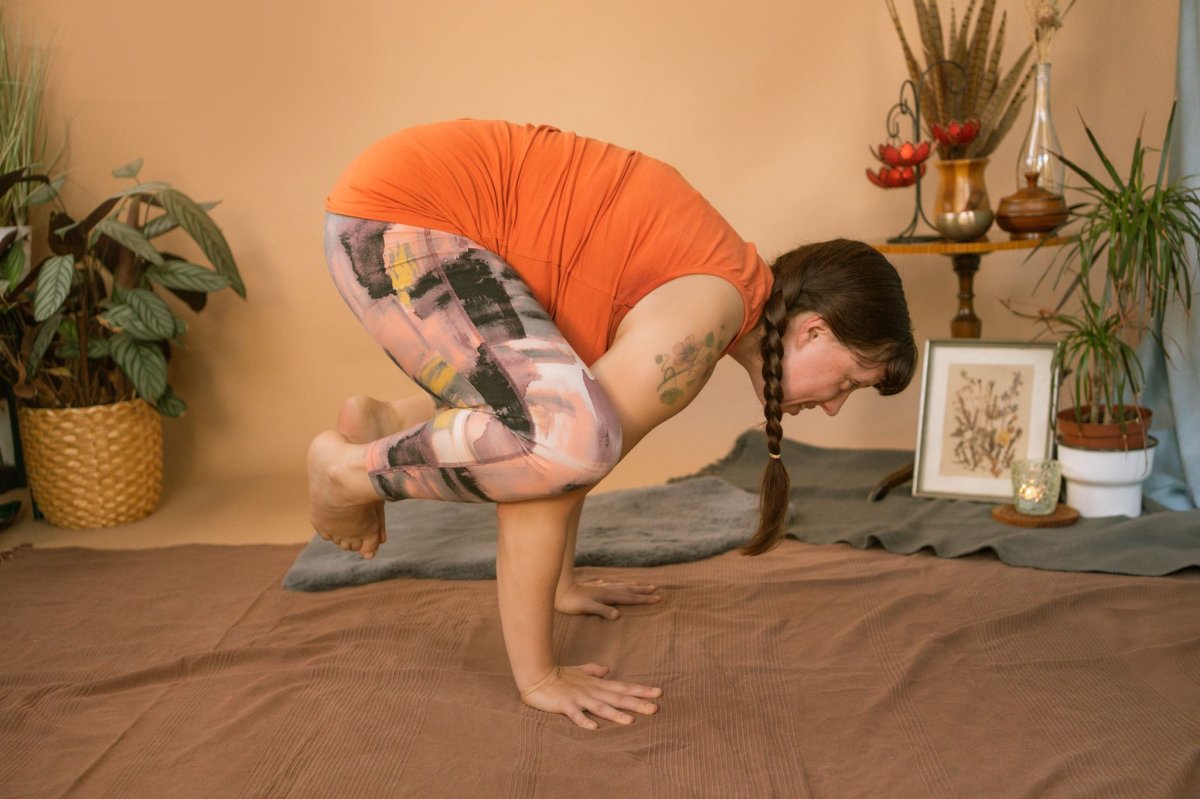
Why practise in-person? Can't I just do online classes?
Online classes are great for allowing people to practise when classes are not available locally. However, the online teacher is unable to see you, or only has a very limited view of you. It is important to practise in person at least some of the time, so that a teacher can see your technique. It is quite possible to be doing something incorrectly or unsafely and get into this habit without a teacher being there to watch and offer guidance or adjustments. Something that may feel ok now may actually be harmful to your joints over time, so learning basic alignment is important. Furthermore, what we think we are doing is not always what the body is actually doing! The teacher is not there to judge, assess or shame or criticise. Once you are established in a practice, it is safe to practise at home, although many people enjoy the personal contact with the teacher and with fellow practitioners. Online posture tutorials are certainly a useful supplement to practising in person too.
Can I practise on my own at home? Does it have to be for an hour?
Practising at home is definitely a good idea, though it is best to be familiar with the basics by attending classes for a while first. As a beginner, it is difficult to know what postures to do, so this is where online classes are useful.
The benefit of practising on your own at home is that you can move at your own pace and it may allow you to be more aware of your own body and responses. You may find that stamina and flexbility improve more quickly if you supplement classes with your own practice.
Most classes are at least an hour to allow a well-rounded practice, but even just a few Sun Salutations or 20-30 minutes regularly can be beneficial.
What style of yoga is best?
There is a style of yoga to suit everyone, but all have the same ultimate purpose: to still the mind, to guide the practitioner towards inner inner awareness. 'Styles' of yoga in the West tend to refer to the practice of postures, or 'asanas', which is just one element of the wider practice. Some examples of postural practice include Hatha (including Ashtanga and Iyengar), Yin and Kundalini. If you try some different styles, you may find one to suit you.
What if I can't do a posture?
While there is a 'textbook' version of every posture, there are always modifications available. This means your body can still do the intended action of a posture and therefore have the benefit of it. It is often difficult in larger classes for the teacher to notice if you are struggling or unsure about a posture. Rather than just hide at the back or muddle through, let the teacher know if there is a posture that you 'can't do' - this will give them the opportunity to find an appropriate modification for you.